Repairing Damage Before It Gets Worse
Surface Restoration Services in Missoula for properties with deteriorated wood, damaged drywall, and aged exterior materials
Surface restoration addresses the underlying damage that prevents paint from adhering correctly and lasting through normal wear cycles. Cracked siding, rotted trim, and drywall with water stains require structural repairs before any coating can perform as intended—applying paint over compromised surfaces simply hides problems that continue deteriorating beneath the finish. Petersen Painting & Specialty Coating llc provides surface restoration services that extend the functional life of existing structures through cleaning, repair work, and refinishing that prepares materials to accept and hold protective coatings. Older properties and high-use areas accumulate damage that becomes exponentially more expensive to fix when left unaddressed.
The restoration process involves identifying why surfaces failed in the first place—moisture infiltration, structural movement, improper previous repairs, or material deterioration from age and exposure. Wood sections showing rot are removed and replaced with properly primed material, drywall damaged by leaks is cut out and patched to create a smooth continuous surface, and exterior materials are cleaned of organic growth and efflorescence that would prevent coating adhesion.
Arrange a surface evaluation to identify damage extent and review restoration steps needed before coating application.
What Gets Fixed During Restoration Work
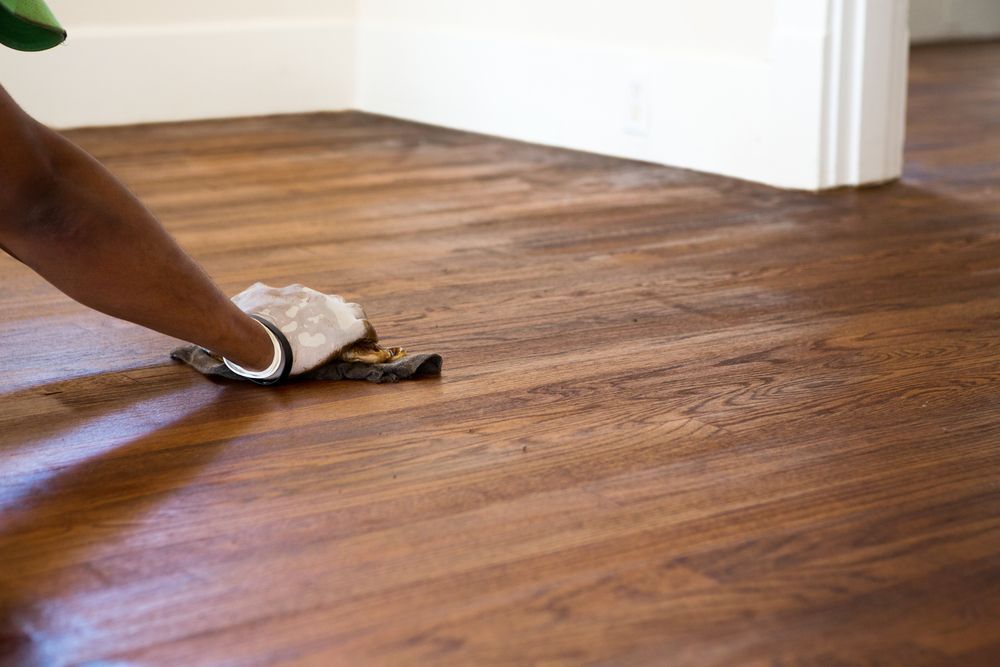
Restoration targets specific failure points rather than cosmetic issues alone—replacing boards with soft spots from water damage, filling cracks in stucco or concrete that allow moisture penetration, and refinishing wood decks where UV exposure has broken down the surface fibers. Each repair improves the substrate's ability to hold paint or stain, which directly affects how long the final coating lasts and how well it protects the underlying material from further damage.
After restoration, surfaces feel solid when pressed rather than spongy, walls appear flat without visible seams or texture changes from patches, and exterior materials shed water instead of absorbing it. You'll notice that new coatings go on smoothly without the drag that comes from painting rough or deteriorated surfaces, and the finished appearance lacks the shadows and irregularities that telegraph underlying damage. Long-term durability improves because the coating bonds to structurally sound material rather than sitting atop surfaces that continue breaking down.
The scope varies based on damage severity—minor projects might involve patching a few drywall holes and replacing rotted windowsills, while extensive restoration can include replacing entire sections of siding, rebuilding trim assemblies, and addressing moisture sources that caused the original failure.
Property owners dealing with aging or damaged surfaces want to understand what restoration entails and how it differs from standard surface preparation.
Answers to Restoration Questions
What's the difference between restoration and regular prep work?
Standard prep involves cleaning and light sanding, while restoration includes replacing damaged materials, repairing structural issues, and addressing the underlying causes of surface failure such as water infiltration or inadequate ventilation.
How do you determine which surfaces need restoration versus replacement?
Materials are tested for structural integrity—wood that feels soft when probed indicates rot requiring replacement, while surface-level damage like peeling paint or minor cracks can be repaired and refinished without full material replacement.
Can restoration prevent future damage?
Fixing moisture entry points, improving drainage away from foundations, and applying proper sealants stops the conditions that caused initial deterioration, which means restored surfaces last longer than simply repainting over existing damage.
What surfaces typically need restoration in Missoula properties?
Deck boards and railings exposed to snow accumulation and freeze-thaw cycles, south-facing trim where UV exposure degrades wood fibers, and basement walls with efflorescence from groundwater migration through concrete are common restoration candidates.
How does restoration affect the final coating's lifespan?
Paint applied over properly restored surfaces lasts two to three times longer than coatings over unrepaired damage because the substrate remains stable and moisture doesn't continue deteriorating the material beneath the finish.
Petersen Painting & Specialty Coating llc evaluates surface conditions to identify restoration needs before coating work begins, ensuring that repairs address root causes rather than temporarily concealing ongoing deterioration. Request an assessment to review your property's specific damage patterns and discuss repair options that improve coating performance and material longevity.