Infrastructure Protection in Corrosive Environments
Protective Coatings for Water Treatment and Chemical Plants in Missoula for tanks, structures, and facility surfaces exposed to chemical wear and corrosive conditions
Chemical exposure and constant moisture accelerate corrosion and material degradation in water treatment plants, chemical processing facilities, and industrial operations where infrastructure contacts aggressive substances daily. These conditions demand coating systems engineered specifically for immersion service, chemical resistance, and long-term barrier protection rather than standard industrial paints. Petersen Painting & Specialty Coating llc applies protective coatings to tanks, containment structures, piping systems, and facility surfaces in environments where coating failure leads to structural damage, contamination risk, and regulatory compliance issues.
High-performance coatings for these applications include epoxy phenolics, polyurethanes, epoxy novolacs, and other specialty formulations selected based on the specific chemicals present, exposure temperature, and whether the surface faces immersion or splash and fume conditions. Surface preparation becomes even more critical because any contamination or inadequate profile prevents the coating from forming the continuous barrier necessary to stop corrosion in aggressive environments.
Request a facility consultation to identify coating requirements for your specific chemical exposure conditions.
What Changes After Protective Coating Application
Application follows strict surface preparation protocols, often requiring abrasive blasting to white metal or near-white metal standards, followed by immediate coating to prevent flash rusting. Each coating layer is applied at specified thickness and allowed to cure under controlled conditions before subsequent layers or return to service. Inspection during and after application verifies that the coating meets thickness requirements and contains no holidays or defects that would compromise barrier protection.
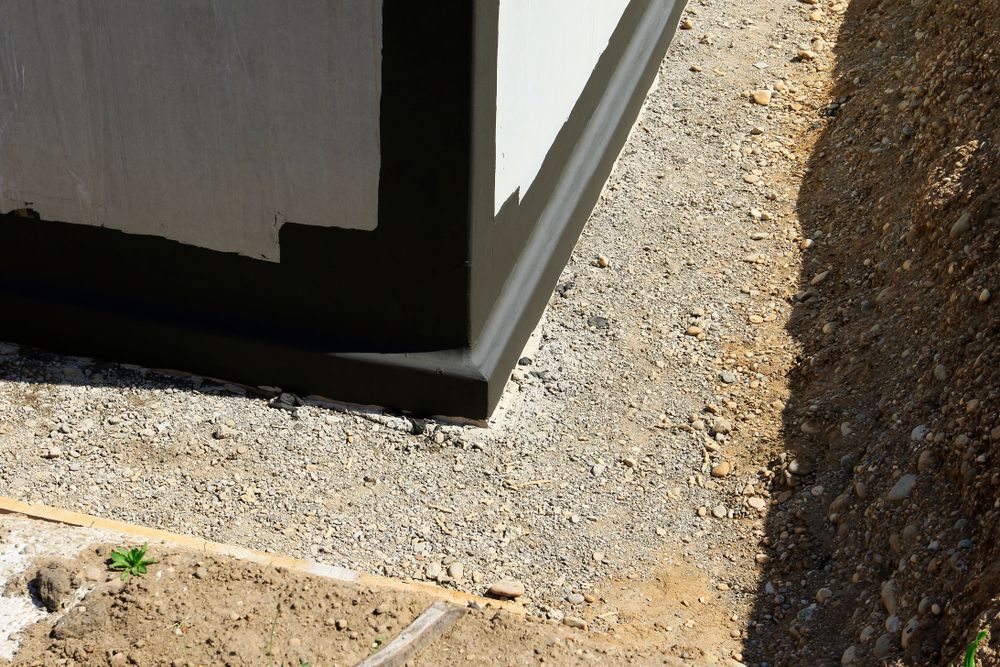
Once the coating system cures, the protected surface no longer corrodes when exposed to the process chemicals or wastewater it contacts. Tanks maintain structural integrity without pitting or thinning, and steel structures resist the rust-through that uncoated or inadequately coated metal experiences in these environments. The coating provides a stable, cleanable surface that does not contaminate the process and meets regulatory requirements for material compatibility and surface condition in water and chemical handling systems.
Coating selection requires matching the resin chemistry to the exposure conditions—coatings that perform well in one chemical environment may fail rapidly in another. Petersen Painting & Specialty Coating llc evaluates the specific chemicals, concentrations, temperatures, and exposure patterns your facility handles, then recommends coating systems with documented performance in those conditions. Proper application includes environmental monitoring to ensure temperature and humidity remain within specification during coating and cure.
Protective coating projects for chemical and water treatment facilities involve technical considerations that affect system selection, application timing, and long-term performance.
Questions Before Starting Your Project
What surface preparation is required for chemical-resistant coatings?
Most specifications require abrasive blasting to SSPC-SP 10 (near-white metal) or SP 5 (white metal) standards to ensure complete removal of all contaminants and provide the surface profile needed for coating adhesion in immersion or constant exposure conditions.
How are coatings selected for specific chemical exposure?
Coating manufacturers provide chemical resistance charts based on immersion testing at various concentrations and temperatures—selection involves matching your specific chemicals and conditions to coatings with proven resistance in those environments.
Why does coating thickness matter for corrosion protection?
Thicker coatings provide longer diffusion paths for corrosive substances to reach the substrate and contain more resin to resist degradation over time, which is why immersion and chemical exposure applications specify minimum dry film thickness requirements.
Can coatings be applied to tanks and structures while they remain in service?
Most protective coating applications require the surface to be clean, dry, and free of process materials, so tanks typically must be drained, cleaned, and ventilated before coating work begins.
What inspection and documentation does protective coating work require?
Projects typically include surface preparation inspection, wet and dry film thickness measurement, holiday detection on completed coatings, and documentation that the work meets project specifications and industry standards for regulatory and warranty purposes.
Petersen Painting & Specialty Coating llc provides protective coating services that include specification development, surface preparation, coating application under controlled conditions, and quality documentation. Arrange a facility assessment to discuss your infrastructure protection needs and develop a coating plan that addresses your specific chemical exposure and compliance requirements.